Column · @johnnyifua577
Commercial Pressure Cleaning Solutions for Coastal Sites
Properties in Shellharbour, Shell Cove, Warilla, Barrack Point and Albion Park Rail face a tougher set of cleaning challenges than inland sites. Salt-laden air, high humidity, coastal winds, sand and nearby birdlife all accelerate the build-up of grime, algae, mould and corrosion. For business owners, strata managers and facility managers, commercial pressure cleaning solutions are a practical way to protect assets, maintain presentation and meet safety obligations. This guide explains how professional commercial pressure washing works in a coastal environment and what to look for when choosing a service.
Why Coastal Sites Need a Different Approach
The Illawarra coastline combines sea spray, moist air and frequent temperature shifts. Together these conditions create an ideal environment for biological growth and surface deterioration. Salt deposits attract moisture, which keeps surfaces damp for longer and encourages algae, lichen and mould. Over time, salt can also corrode metal fixtures, degrade paint and stain concrete and masonry.
Standard commercial exterior cleaning methods designed for inland properties often fall short in these conditions. Coastal commercial property cleaning typically needs a combination of controlled pressure, low-pressure soft washing, and targeted treatments that remove contaminants and slow their return.
Common Coastal Contaminants
- Salt deposits: Left on glass, cladding, railings and roofing, salt dulls finishes and accelerates corrosion.
- Algae, moss and lichen: Thrive on shaded, damp surfaces such as south-facing walls, roofs, pavers and car parks.
- Biofilm: A slimy layer of microorganisms that makes walkways slippery and anchors further growth.
- Bird droppings: Seagulls, pigeons and ibis leave acidic waste on roofs, awnings, outdoor dining areas and solar arrays.
- Sand and fine grit: Blown onto driveways, gutters and entrances, where it abrades surfaces and clogs drainage.
- Mould and mildew: Common on rendered walls, eaves, decks and shaded pavements.
Core Commercial Pressure Cleaning Services
Building Facade Cleaning
A building's exterior is its first impression. Building facade pressure washing and commercial facade cleaning remove salt film, mould, pollution staining and algae from render, brick, concrete panels, metal cladding and glass. For brick house cleaning and low-rise residential-style commercial buildings, soft washing is often preferred because high pressure can erode mortar and force water behind cladding. Professionals match pressure, nozzle type and detergent to the substrate to avoid damage.
Commercial Roof Cleaning
Commercial roof cleaning is particularly valuable near the coast, where moisture and salt encourage lichen and black algae growth. Advanced roof cleaning techniques use low-pressure application of biodegradable treatments rather than aggressive blasting, which can lift tile glazing, damage membranes or loosen sheeting fasteners. Working with a certified roof cleaning provider helps ensure fall protection, correct methods for the roof type and responsible runoff management.
Commercial Gutter Cleaning
Sand, leaf litter, bird nesting material and sea-borne debris quickly block drainage. Commercial gutter cleaning includes removing blockages, flushing downpipes and checking for damage. Services such as clogged gutter cleaning, algae removal gutters treatments and aluminum gutter cleaning (to remove oxidation and salt staining) help prevent overflow, water ingress and premature https://pressurecleaningshellharbour.com.au/commercial-pressure-cleaning/ corrosion. Many property managers look for affordable gutter cleaning on a scheduled basis, since regular maintenance usually costs far less than repairing water damage. Keeping clean gutters is also important for bushfire-season preparedness.
Driveways, Car Parks and Hardstand Areas
Commercial driveway cleaning removes oil, tyre marks, algae and salt build-up from concrete, pavers and loading areas. Specific techniques apply to asphalt driveway cleaning, asphalt pressure cleaning and asphalt pressure washing: asphalt is a bitumen-based surface, so excessive pressure or harsh solvents can strip binder and shorten its life. Controlled pressure and suitable degreasers are essential. A clean driveway improves appearance, slip resistance and customer perception.
Solar Panel Cleaning
Coastal solar installations collect salt haze, dust and bird droppings that reduce energy output. Commercial solar panel cleaning uses deionised or purified water and soft brushes, not high pressure, to avoid scratching glass or voiding warranties. Bird dropping removal solar panels is especially important because concentrated droppings can create hotspots and shading. Choosing certified solar panel cleaning technicians ensures safe roof access and methods consistent with manufacturer guidelines. The goal is to clean solar panels without compromising their performance or warranty.
Tennis Court and Sports Surface Cleaning
Clubs, resorts and schools near the coast need to keep playing surfaces safe and consistent. Clean tennis courts are free from algae, moss and sand that cause slipping and uneven ball bounce. Acrylic tennis court cleaning relies on low-pressure washing and mild cleaners to protect the surface coating, while clay tennis court cleaning follows a different approach, with careful debris removal and minimal water disturbance to the playing layer. For clubs on tight budgets, affordable tennis court cleaning programs on a seasonal schedule extend the life of the surface and delay costly resurfacing.
Decks, Outdoor Dining and Alfresco Areas
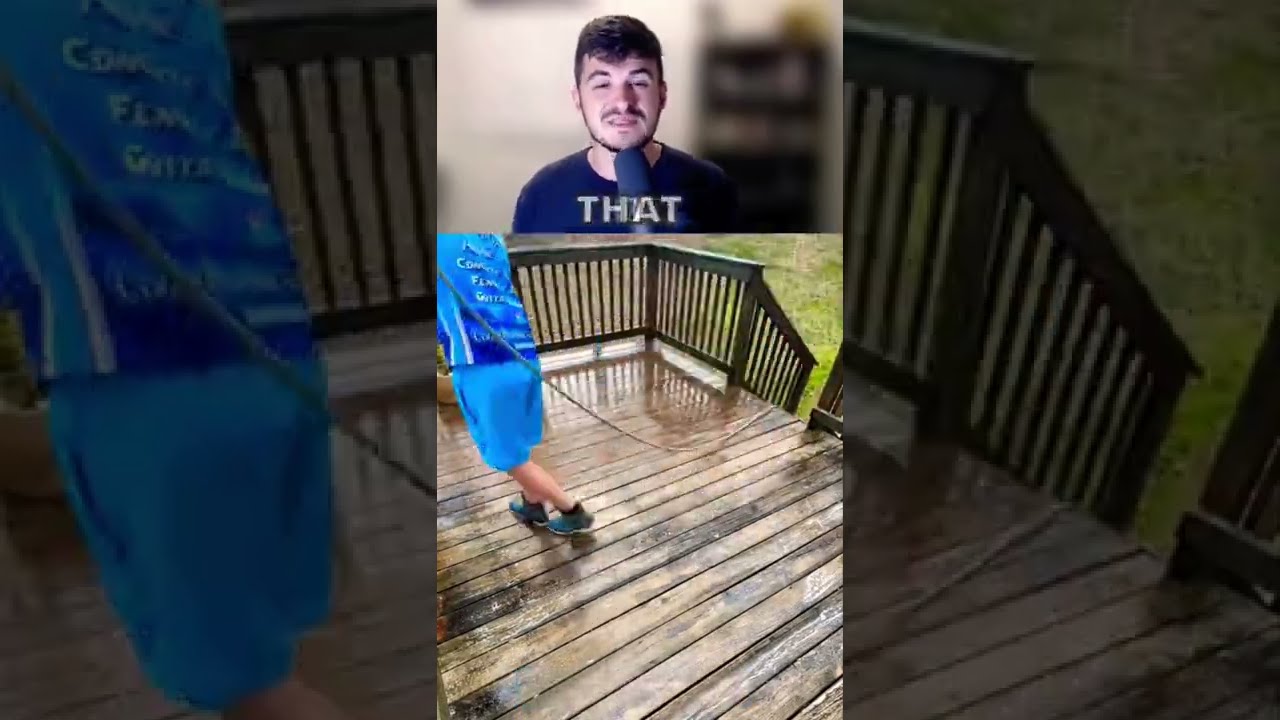
Cafés, resorts, clubs and apartment complexes frequently have timber or composite decks exposed to salt air. Backyard deck cleaning techniques also apply to commercial alfresco spaces: gentle pressure, appropriate cleaners and correct drying time. A clean deck is safer to walk on, looks better and lasts longer, particularly if followed with a suitable sealant or oil.
Sanitation and Hygiene Washing
Beyond appearance, many businesses need hygiene-focused cleaning. Commercial sanitation washing is used at food premises, waste enclosures, bin areas, childcare centres, medical facilities and public amenities. Methods include:

- Antimicrobial pressure cleaning: Applies approved antimicrobial agents to reduce microbial load on hard surfaces.
- Bacteria elimination pressure cleaning: Combines hot or high-flow water with sanitisers to lift organic residue and reduce odours.
- Biofilm pressure cleaning: Targets slippery microbial layers on walkways, drains and shaded surfaces.
- Chemical sanitation pressure cleaning: Uses controlled chemical treatments suited to the surface and local environmental requirements.
- Algae removal sanitation: Treats green growth that creates slip hazards and spreads quickly in damp coastal conditions.
These services should always be performed with attention to chemical selection, dwell times, rinsing and wastewater containment.
Soft Washing vs High-Pressure Washing
Not every surface should be blasted with high pressure. Soft washing uses low pressure with detergents or treatments that break down algae, mould and organic matter at the source. It is typically suited to roofs, painted surfaces, render, cladding and delicate materials. High-pressure washing is better for robust surfaces such as concrete, some pavers and heavily soiled hardstand areas. A professional commercial pressure cleaning contractor assesses each surface and uses the correct method. This is also the case for algae removal house washing on residential-style buildings and mixed-use sites.
Environmental and Compliance Considerations in Shellharbour
Shellharbour's proximity to waterways, lakes, estuaries and the ocean makes runoff management critical. Wash water can carry detergents, oils, sediment and organic matter into stormwater drains, which flow to local waterways without treatment. In 2026, councils and environmental authorities in NSW continue to expect businesses and contractors to prevent pollutants entering stormwater systems.
Responsible commercial cleaners typically:
- Use biodegradable, appropriately selected cleaning agents.
- Block or cover stormwater pits and use drain mats or bunding where needed.
- Capture and recover wastewater with vacuum or reclaim systems on sensitive sites.
- Dispose of collected waste lawfully.
- Follow safe work practices for working at heights, including roofs and facades.
Property owners should confirm that any contractor holds current public liability insurance and follows relevant WHS requirements.

Choosing a Certified Pressure Cleaning Specialist
Selecting a certified pressure cleaning specialist reduces the risk of surface damage, safety incidents and compliance problems. When comparing providers for business pressure washing or commercial property pressure washing, consider these points:
- Experience with coastal conditions: Ask how they treat salt, algae and corrosion-prone surfaces.
- Insurance and safety documentation: Request certificates, safe work method statements and evidence of working-at-heights competence.
- Equipment range: Look for both high-pressure and soft-wash systems, plus water-fed poles for solar and glass.
- Surface-specific methods: A good contractor explains different approaches for roofs, asphalt, timber and acrylic coatings.
- Environmental practices: Ask about wastewater capture and chemical selection.
- Transparent quotes: A clear scope, frequency and price helps you compare services fairly, whether you need affordable pressure washing or a full maintenance program.
- Flexible scheduling: Out-of-hours work minimises disruption to trading, tenants and customers.
Maintenance Schedules for Coastal Properties
Frequency depends on proximity to the water, exposure to wind, tree cover and site usage. As a general guide:
- Glass, entrances and signage: Monthly to quarterly for beachfront sites.
- Facades and cladding: Every 6 to 12 months.
- Gutters: Two to four times per year, depending on tree cover and bird activity.
- Roofs: Inspection annually, cleaning every 2 to 4 years as needed.
- Solar panels: Two to four times per year, or more where bird activity is high.
- Car parks and driveways: Every 6 to 12 months, with spot cleaning of oil or spills as required.
- Tennis courts: One to two times per year, plus after storms or heavy algae growth.
- Food and bin areas: Weekly to monthly, depending on regulatory and hygiene needs.
Planned maintenance is typically more cost-effective than reactive cleaning, and many providers offer service agreements. For owners seeking affordable house washing or mixed residential-commercial property care, bundling services such as facade washing, gutter clearing and driveway cleaning can improve value.
Benefits of Professional Commercial Pressure Cleaning
Regular professional commercial cleaning with pressure offers measurable advantages for coastal property owners:
- Asset protection: Removing salt and organic growth helps slow corrosion, paint failure and material breakdown.
- Safety: Reduced slip hazards on paths, ramps, decks and car parks.
- Presentation: Clean, well-maintained premises support brand image and customer confidence.
- Energy efficiency: Clean solar panels and roofs perform better.
- Hygiene: Sanitation washing supports a healthier environment for staff and visitors.
- Lower long-term costs: Preventive cleaning can extend the life of coatings, roofing and paving.
Preparing for Your Commercial Cleaning Service
To get the best results, provide the contractor with site access details, trading hours, surface types and any known problem areas. Mention sensitive features such as older render, damaged sealant, loose roofing, nearby gardens or stormwater connections. Ask for a written scope that outlines methods, chemicals, expected timeframes and any safety closures. After the job, inspect the work and discuss a follow-up schedule suited to the site.
Conclusion
Coastal conditions in Shellharbour demand more than a simple rinse. Effective commercial pressure cleaning solutions combine the right technique, appropriate treatments and responsible environmental practices to deal with salt, algae, biofilm, bird droppings and general grime. Whether the job involves a building facade, roof, gutters, solar array, car park, tennis court or food-service area, working with a qualified provider and following a regular maintenance plan helps protect your investment and keep your property safe, hygienic and presentable year-round.
Shellharbour Pressure Cleaning Pros
Shellharbour Rd, Warilla NSW 2528, Australia
(02) 4210 5306